Image
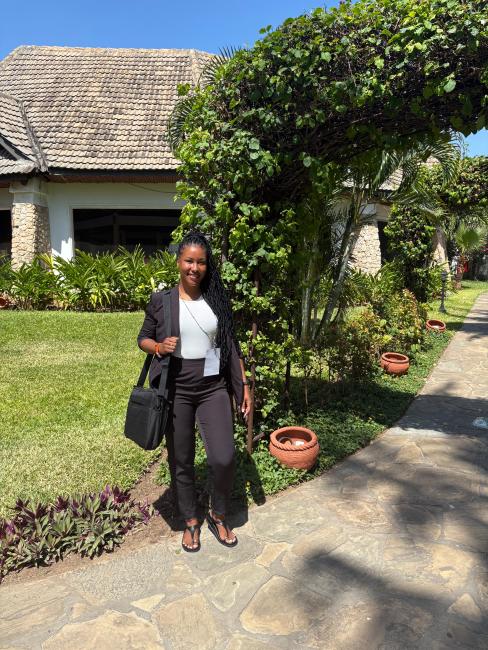
Today, we join the world in honoring the brilliance, resilience, and innovation of women and girls in science. Their contributions shape our future, protect our planet, and inspire generations to dream boldly.
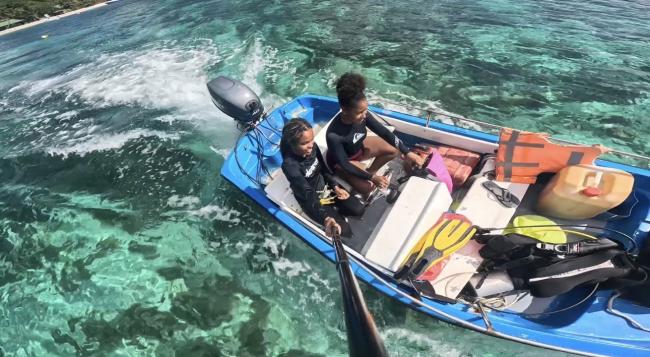
At SPGA, we proudly feature our scientific diver, whose passion and dedication take her beneath the waves to uncover the wonders of our marine world. Her journey is a testament to curiosity, courage, and the power of representation.
1. What first inspired you to pursue a career in science and conservation?
From an early age, my father introduced me to the ocean, and I fell in love instantly—never imagining that one day I’d be leading a team in this field. I once dreamed of becoming a teacher, but as I learned more about the environment and the blue economy, my curiosity grew. That curiosity became purpose, and I knew I wanted to dedicate myself to protecting our oceans.
2. What challenges did you face as a woman entering the scientific field, and how did you overcome them?
As a woman, I don’t always have the physical strength for heavy lifting, and some tasks I simply can’t do alone. But conservation is teamwork—my colleagues support me, and together we achieve far more than any of us could alone. Working in a male-dominated environment hasn’t always been easy, but it has taught me resilience, communication, and the importance of mutual respect.
3. Could you share some highlights of your current work at SPGA?
I’m deeply involved in coral restoration projects, from nursery design and maintenance to outplanting and long-term monitoring. Leading dive operations, training team members, managing data, and contributing to restoration strategies are major highlights. Being entrusted as Team Leader is something I value greatly, especially knowing our work directly supports reef resilience in Seychelles.
4. What scientific achievement or project are you most proud of so far?
I’m most proud of the restoration sites I’ve helped build and expand. Watching corals grow from fragments into thriving colonies is incredibly rewarding. Knowing that our efforts contribute to reef recovery, biodiversity, and coastal protection makes every dive meaningful.
5. What does the International Day of Women and Girls in Science mean to you personally?
For me, this day is about being seen and recognised. It’s a reminder that women belong in science, in the ocean, in the field, and in leadership. It reflects how far I’ve come and why representation matters—especially for young girls in small island states. Conservation is increasingly led by women, and that’s something worth celebrating.

6. How do you see the role of women evolving in conservation science in Seychelles and globally?
Women are becoming stronger voices in conservation—not just participating, but leading. In Seychelles and around the world, more women are working in marine science, research, education, and decision-making. I saw this firsthand at WIOMSA 2025, where the number of women leaders and speakers was truly inspiring. This change is powerful and long overdue.
7. What advice would you give to young girls who dream of becoming scientists or scientific divers?
Believe in yourself and start where you are. Begin small, keep learning, and stay curious. Ask questions, get your hands dirty, and don’t shy away from hard work. Science isn’t about perfection—it’s about learning, failing, and trying again. I encourage young women to join this field. I didn’t know much when I first started, and look at me now.
8. What legacy would you like your work to leave for future generations of women in science?
I hope my work shows that women can lead, dive, restore, and protect our oceans with strength and compassion. I want future generations to grow up seeing women scientists as the norm, not the exception. If even one girl looks at my journey and believes she can do the same—or more—then I’ve already left the legacy, I dreamed of.